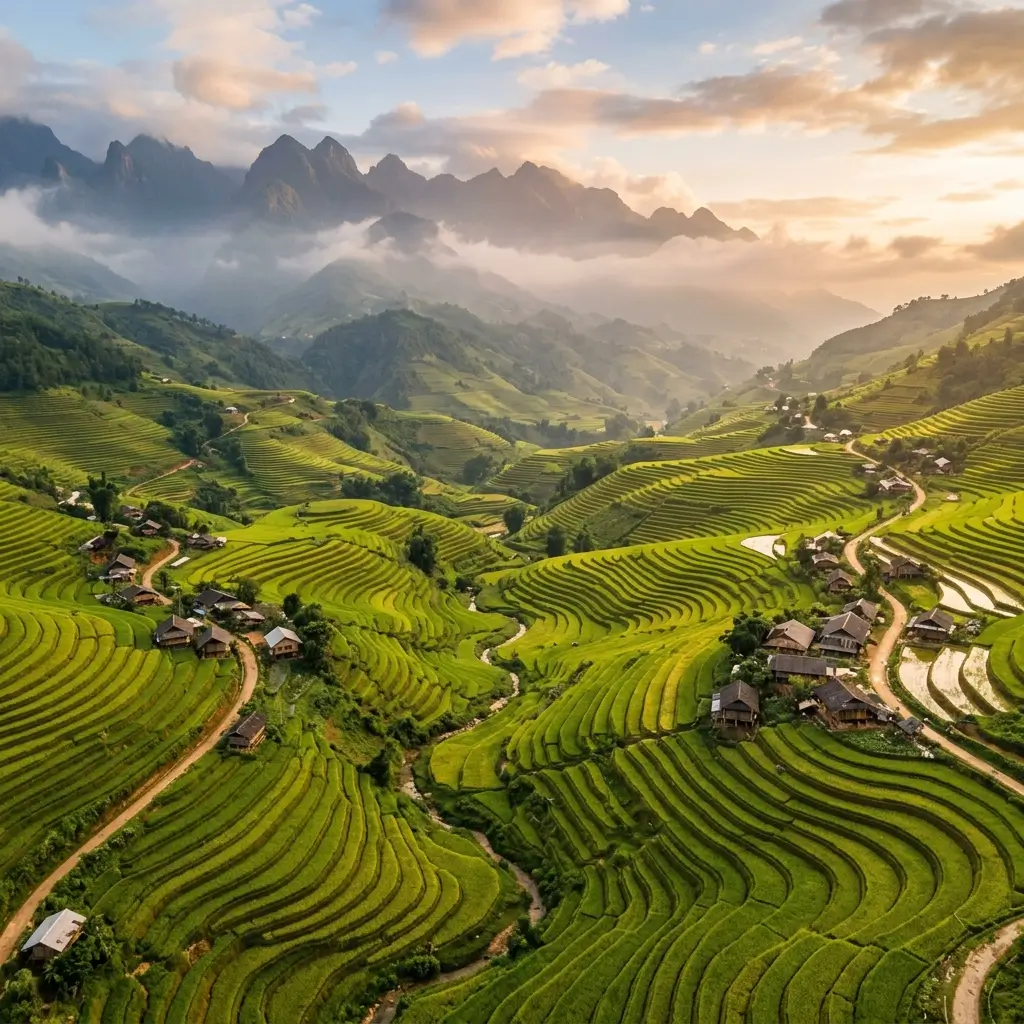
The most beautiful country
in Southeast Asia.
From Sapa's rice terraces to Halong Bay's karst islands to the ancient streets of Hoi An — Vietnam packs more diversity into one country than most regions manage in an entire continent.
Three Vietnams, one trip
Vietnam stretches 1,650 km from north to south. Each region has its own climate, cuisine, landscape, and pace. Here's how they differ.
Highlands, History & Sea Caves
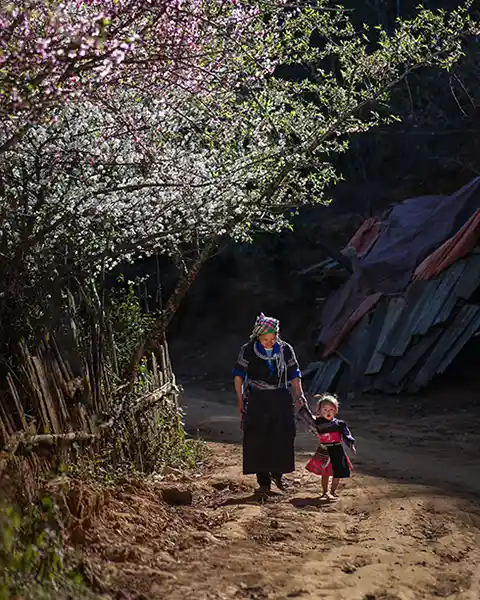
Sapa
Vietnam's most dramatic mountain landscape — cascading rice terraces, H'mong villages, and Fansipan (Indochina's highest peak) at 3,143m. October turns the entire valley gold. April floods the terraces into a mirror. Both are extraordinary.

Hanoi
Vietnam's capital blends French colonial architecture, ancient temples, and arguably the best street food in the country. Most visitors use it as a Sapa/Halong Bay base — it deserves 2–3 days on its own.

Halong Bay
2,000 limestone karst islands rising from emerald water. The classic Vietnam postcard. Best experienced on a 2-night overnight cruise away from the day-tripper crowds.
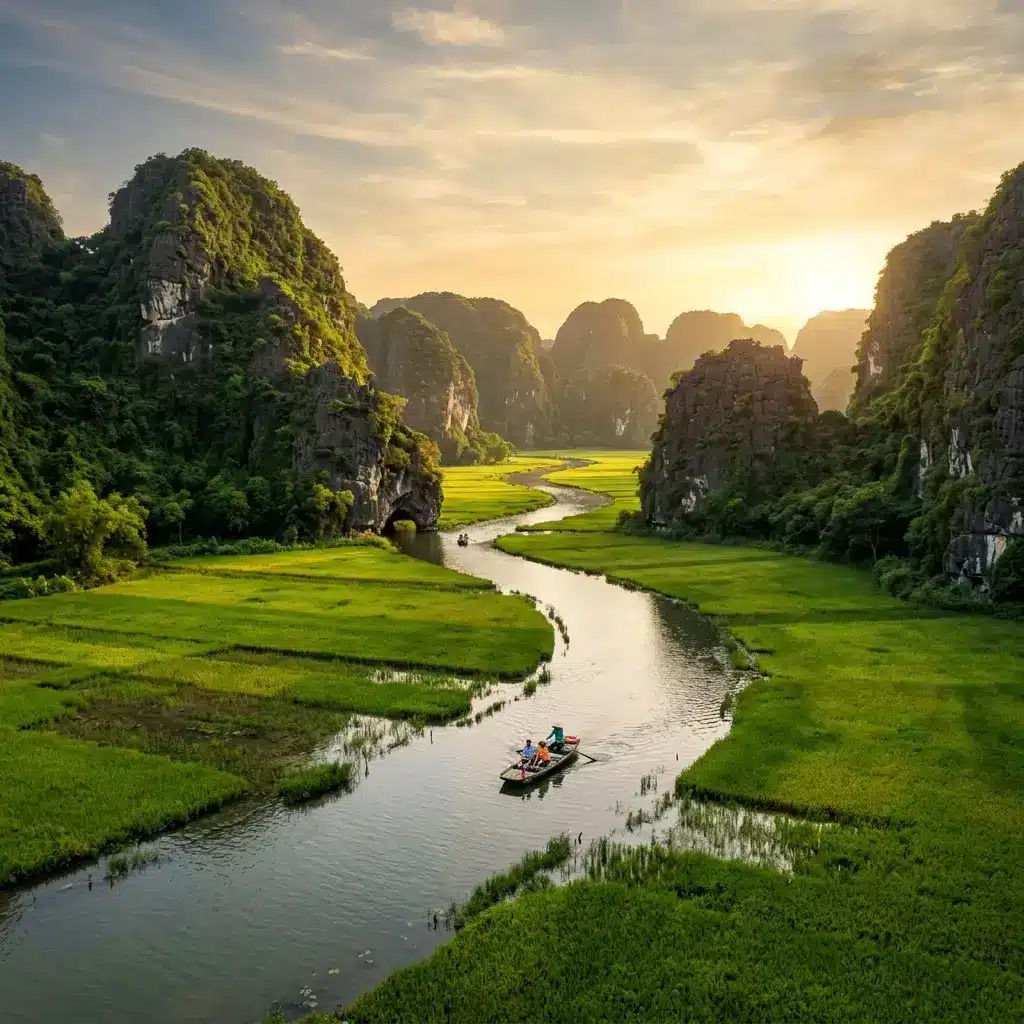
Ninh Binh
Halong Bay on land — limestone karsts rising from rice paddies, ancient capitals, and boat caves. Often called Vietnam's most underrated destination. An easy day trip from Hanoi.
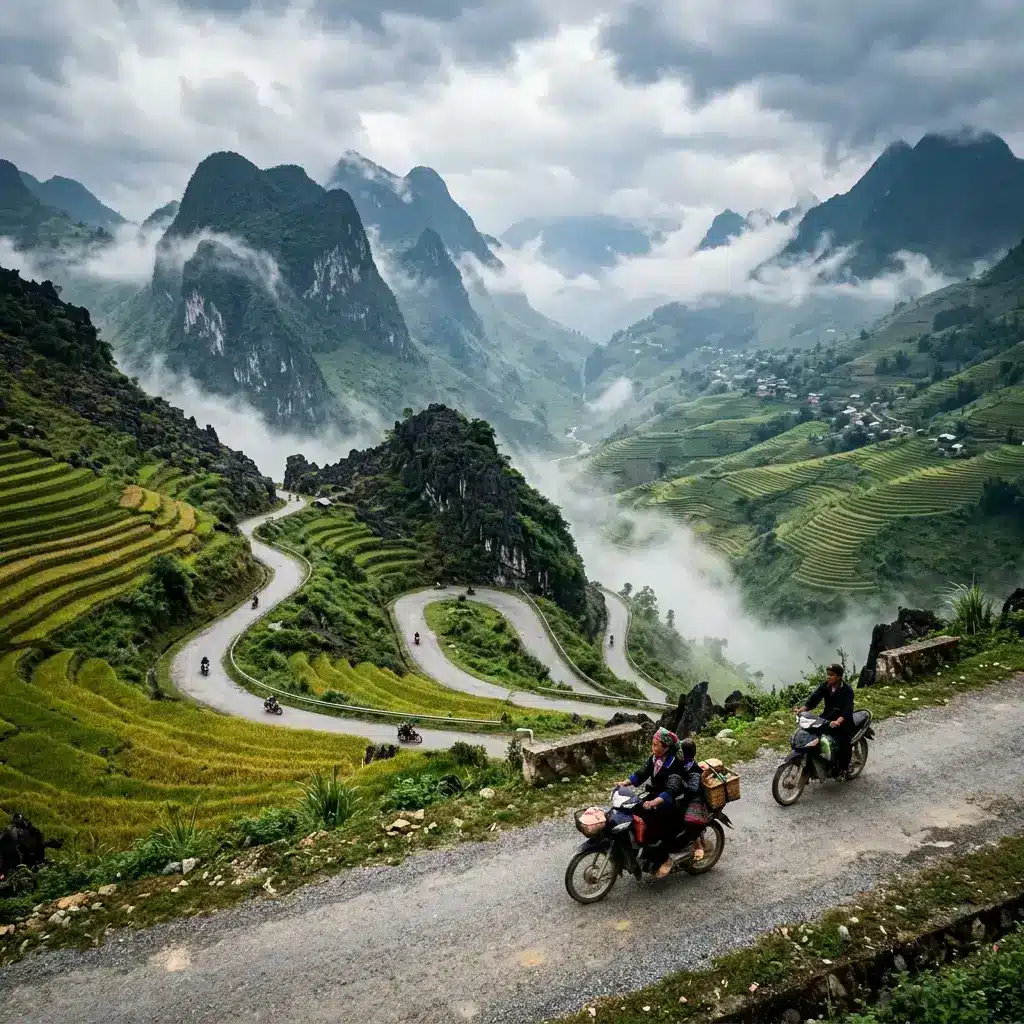
Ha Giang
Vietnam's last great frontier — dramatic limestone plateaus, ethnic minority villages, and the legendary Ha Giang Loop. Remote, raw, and utterly unforgettable on a motorbike.
Ancient Towns & Coastal Beaches
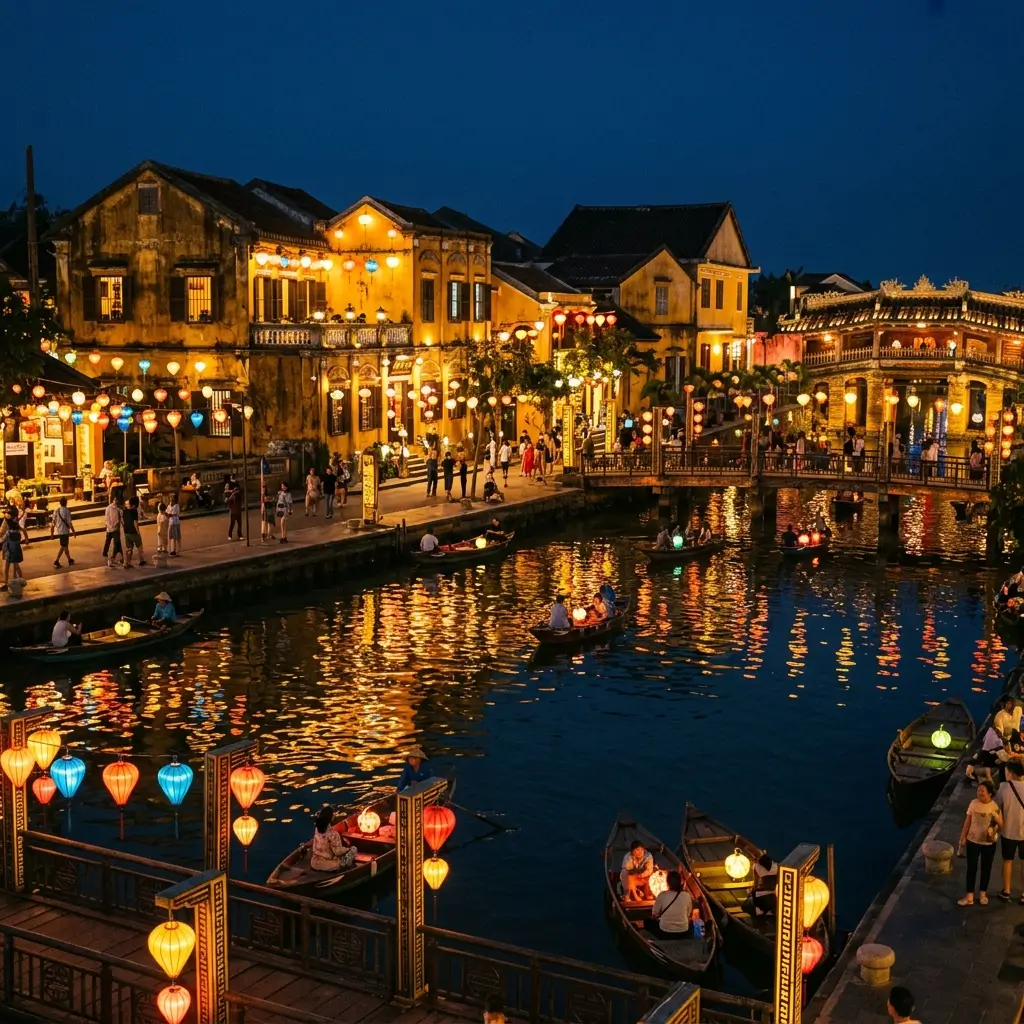
Hoi An
Vietnam's most charming town — yellow walls, red lanterns, tailors, banh mi, and the best cycling routes in the country. The Thu Bon River at lantern festival is genuinely breathtaking.
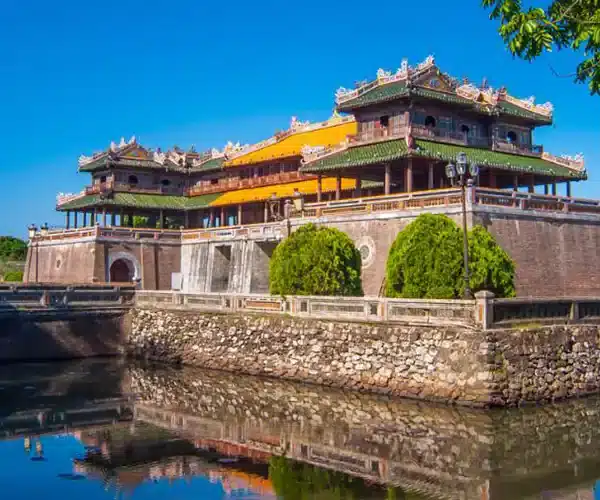
Hue
Vietnam's former imperial capital, home to the walled Citadel, royal tombs, and the country's most sophisticated cuisine. Slower and quieter than Hoi An, and richer in cultural depth.

Da Nang
Vietnam's most liveable city — wide sandy beaches, dragon bridges, Ba Na Hills, and the best airport for accessing both Hue and Hoi An. A strong base for exploring central Vietnam.
Megacity Energy & River Delta
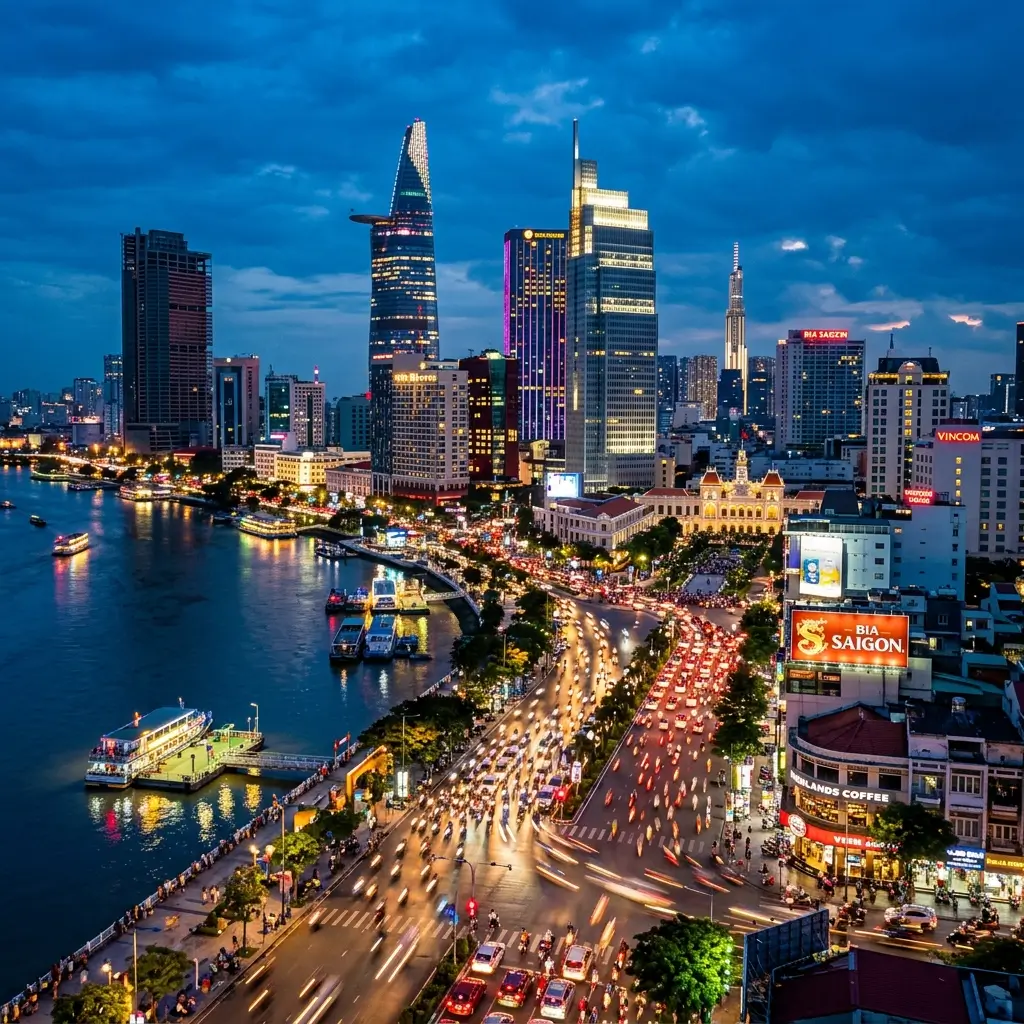
Ho Chi Minh City
Saigon never sleeps. The most energetic city in Southeast Asia — motorbike chaos, rooftop bars, War Remnants Museum, and the best pho in the south. The polar opposite of Hanoi, and just as essential.
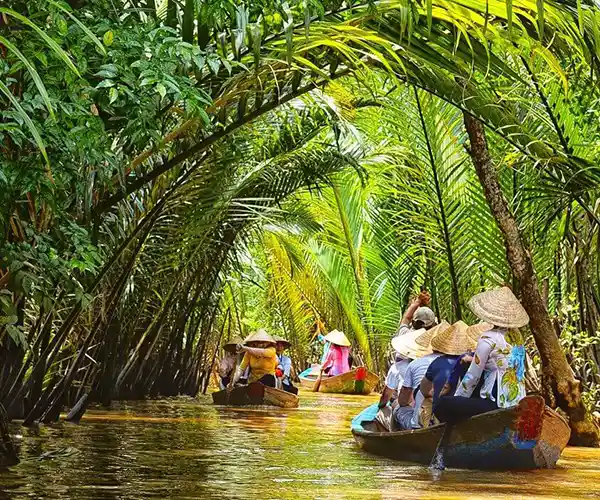
Mekong Delta
A world of floating markets, rice paddies, fruit orchards, and river islands. The Mekong divides into nine tributaries before reaching the sea — boat travel is the only way to experience it properly.
Vietnam itineraries
How long you have changes everything. Here are three tested routes that make the most of each timeframe.
The North Essentials
The most popular Vietnam introduction — the capital, the highlands, and the bay. Tight but achievable. Fly into and out of Hanoi.
North to Central Classic
The best single-route Vietnam itinerary. Fly into Hanoi, out of Da Nang. Covers the cultural and scenic highlights without the rushed south.
Full Country North–South
The complete picture. Fly into Hanoi, out of Saigon. Three weeks covers all three regions with genuine breathing room at each destination.
When to visit Vietnam
Vietnam has no single 'best season' — the north and south have opposite rainy seasons. Here's how to read the calendar.
Sapa's rice terraces turn golden. Halong Bay at its clearest. Dry and cool in the north. Peak season — book well ahead.
Driest and most pleasant in Hoi An and Hue. Hanoi turns genuinely cold (8–15°C). Sapa can get snow in January. South Vietnam is perfect.
Flooded rice terraces in Sapa create extraordinary reflections. Hot and dry in the south. Pre-summer shoulder season — good value, fewer crowds.
Lush and vibrant landscapes. Rain is intense but short. Waterfalls at full flow. Lowest prices and fewest tourists. Avoid central Vietnam (typhoon risk).
Ready to book your Vietnam trip?
Browse hotels, tours, and transport across every destination on this site — all vetted, reviewed, and honestly compared.