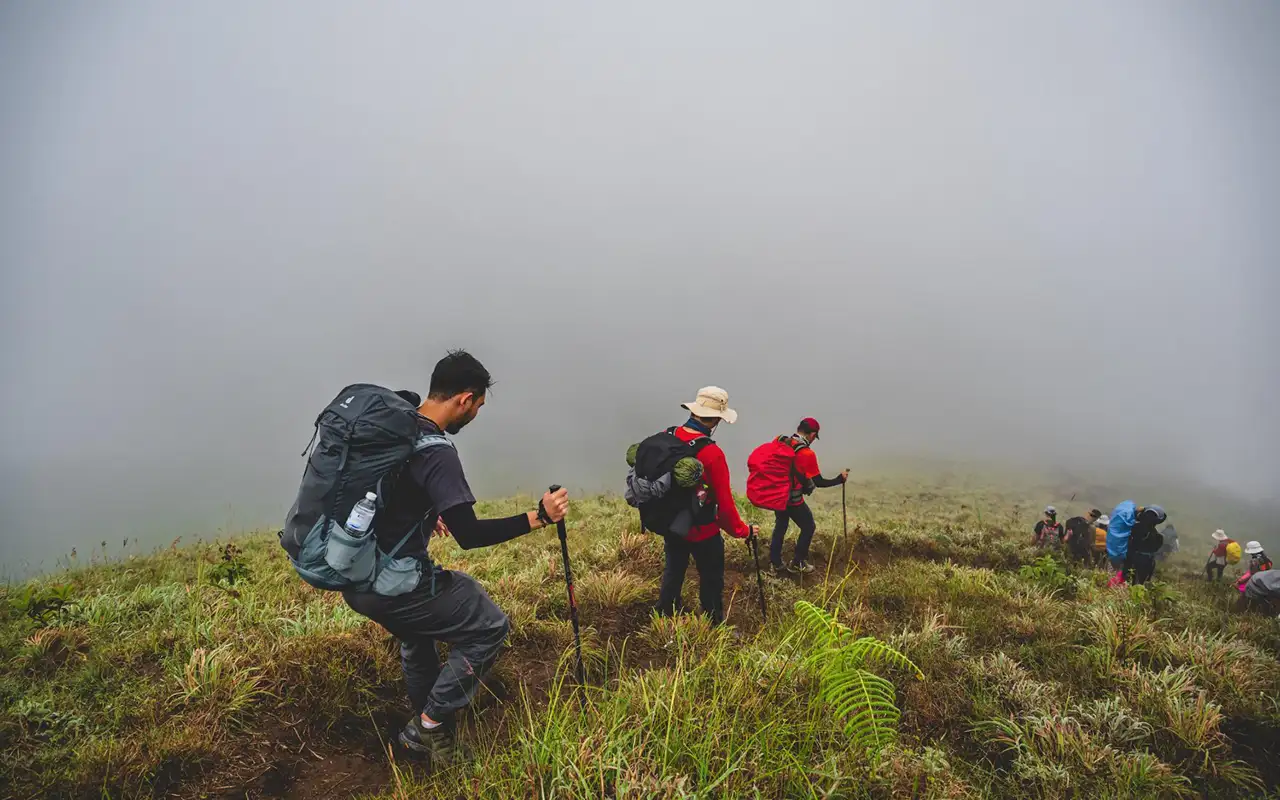

Choosing a Sapa trek is overwhelming. There are dozens of operators, countless routes, and wildly varying quality. I’ve made the mistakes so you don’t have to — booking cheap tours with uncommunicative guides, joining “small group” treks with 25 people, and paying for “authentic homestays” that were tourist guest houses.

After testing tours myself and interviewing hundreds of travelers, I’ve identified which operators consistently deliver quality experiences and which routes offer the best scenery, cultural interaction, and value for money.
Planning your full trip around the treks? My 3-day Sapa itinerary maps exactly which treks to slot into each day — from the Day 1 Cat Cat warm-up to the Day 2 Muong Hoa overnight — so you can use this guide to choose operators and drop them straight into your schedule.
How to Choose the Right Sapa Trek?
By Difficulty Level
Sapa treks range from gentle walks on paved paths to challenging multi-day mountain routes. Be honest about your fitness — Sapa’s altitude (1,600m) makes everything harder than sea level.

Easy Treks (Good for Beginners)
- Distance: 5–8 km total
- Elevation: Mostly downhill or flat with short climbs
- Terrain: Mix of paved paths and well-maintained trails
- Fitness required: Can walk 2–3 hours with breaks
- Best routes: Cat Cat Village, Muong Hoa Valley (moderate sections). For detailed Cat Cat walking directions and timing, see my Cat Cat Village guide in the Day 1 itinerary.
Moderate Treks (Most Popular)
- Distance: 10–15 km per day
- Elevation: Rolling hills with sustained climbs/descents
- Terrain: Rice paddy paths, village trails, some rocky sections
- Fitness required: Can walk 4–6 hours with regular breaks
- Best routes: Lao Chai–Ta Van loop, Y Linh Ho valley. When to do this trek: I recommend Day 2 of your Sapa trip (after acclimatizing on Day 1). See my 3-day itinerary Day 2 plan for the complete schedule.
Challenging Treks (For Experienced Hikers)
- Distance: 15–20 km+ per day
- Elevation: Significant climbs, steep descents
- Terrain: Rocky mountain paths, stream crossings, muddy sections
- Fitness required: Regular hiker comfortable with 6–8 hours trekking
- Best routes: Fansipan summit (2–3 days), Ta Phin extended routes
“Moderate” in Sapa = harder than you think. If you don’t exercise regularly, start with an easy trek. The altitude, heat (summer), or cold (winter), and uneven terrain make even “easy” routes tiring. I’ve seen fit-looking travelers struggle on moderate treks because they underestimated the cumulative effect of 6 hours walking at altitude.
Pro tip: If unsure, book a half-day easy trek first. If you finish feeling energized, upgrade to moderate for the next day. Better than overcommitting and hating the experience.
Before any trek, footwear is the single most important variable. Trail runners with proper grip outsoles change the experience entirely. See the footwear section of the packing guide for specific boot and shoe recommendations by season.
By Duration
- Half-day (3–4 hours): Cat Cat Village, Ham Rong Mountain. Good for time-limited travelers or testing fitness.
- Full-day (6–8 hours): Muong Hoa Valley, Lao Chai–Ta Van, Y Linh Ho. Best for seeing rice terraces and villages without overnight stay.
- 2 days/1 night: Full-day trek + homestay + morning return. The sweet spot for cultural immersion.
- 3 days/2 nights: Extended routes, more remote villages, deeper into valleys. For those wanting less-touristed areas.
Not sure how treks fit into your overall trip? My 3-day Sapa itinerary shows exactly how to combine a half-day trek on Day 1, a full overnight on Day 2, and Fansipan on Day 3 — the most time-efficient structure for first-timers.
By Group Size
Group size dramatically affects experience quality:
- Private (1–4 people): Best experience. Flexible pace, more guide attention, can modify route. Costs 50–80% more.
- Small group (5–10 people): Good balance of social atmosphere and quality. Still manageable for guides.
- Large group (11–20+ people): Cheap but compromised experience. Guides struggle to give individual attention. Slow pace waiting for stragglers.
My recommendation: Pay extra for private or small group (max 8 people). The difference in experience quality is massive.
Best Day Treks (No Overnight)
Day treks return you to Sapa town by evening. Perfect if you prefer hotel comfort over homestay basics, have limited time, or want to test trekking before committing to overnight trips.
The Muong Hoa Valley route passes the best photography viewpoints in all of Sapa. If you’re bringing a camera, read the photography location guide before choosing your trek departure time — morning light on the terraces between 9–10:30 AM makes an enormous difference to your shots.

Cat Cat Village Half-Day Trek
The perfect introduction to Sapa trekking. This gentle half-day walk descends from Sapa town through terraced rice fields to Cat Cat Village, home to Black H’mong minority families. You’ll see traditional stilt houses, watch locals weaving and dyeing indigo cloth, and visit the scenic waterfall. The paved stone path makes this accessible for most fitness levels, though the return uphill walk can be tiring (most people hire a motorbike taxi back for $2–3).
🌟 Highlights
- Rice terraces and traditional H’mong village
- Cat Cat Village and old French hydroelectric plant
- Cultural demonstrations (weaving, embroidery, silver-making)
- Easy paved path suitable for families
- Flexible timing (morning or afternoon departures)
✓ Included
- English-speaking guide
- Village entrance fee
- Hotel pickup
- Bottled water
✗ Not Included
- Lunch
- Return transport (hire xe om)
- Handicraft purchases
- Tips for guide
Muong Hoa Valley Full-Day Trek
This is the classic Sapa day trek — the route most travelers rave about. You’ll descend into Muong Hoa Valley, walking through Vietnam’s most spectacular rice terraces, past Lao Chai village (Black H’mong), and ending at Ta Van village (Giay minority). The scenery is stunning year-round, though September–October’s golden rice season is peak. Local guides share insights about farming techniques, H’mong culture, and village life. Lunch is typically at a local house or simple restaurant in the valley.
🌟 Highlights
- Sapa’s most photogenic rice terraces
- Two distinct minority villages (H’mong and Giay)
- Authentic village interactions with local guides
- Home-cooked Vietnamese lunch
- Smaller group sizes = better experience
✓ Included
- Local minority guide
- Vietnamese lunch
- Hotel pickup & return
- Bottled water & snacks
✗ Not Included
- Personal expenses
- Drinks with lunch
- Tips (50,000–100,000 VND)
- Travel insurance
Other good day trek options:
- Y Linh Ho Village Trek ($30–45): Quieter alternative to Muong Hoa. Similar scenery, fewer tourists. 10 km, 5–6 hours.
- Ta Phin Village Trek ($25–40): Red Dao minority culture. Cave visit, medicinal herb baths available. 8 km, 4–5 hours.
- Tram Ton Pass Scenic Trek ($40–60): Vietnam’s highest mountain pass. Stunning views, less cultural interaction. 12 km, 6 hours.
Multi-Day Treks with Homestays
Overnight treks let you experience rural Sapa life authentically. You’ll sleep in traditional stilt houses, share meals with local families, and reach villages day-trippers never see. These are my favorite treks — the cultural immersion is priceless.

Multi-day treks work best when your hotel base is sorted first. My 3-day Sapa itinerary shows how to structure the overnight trek on Day 2, leaving your Sapa hotel for morning Day 1 and returning to it after the Day 3 morning return trek.
Not sure which hotel to leave your main luggage at? See my complete Sapa hotels guide — the best properties for trekkers offer free luggage storage and guaranteed late checkout for the overnight days.
2-Day Muong Hoa Valley with Homestay
This is the trek I recommend to everyone. Day 1 follows the Muong Hoa Valley route to Ta Van village where you overnight in a family homestay. Evening brings a communal dinner with your group and host family — rice wine flows, stories are shared, and you’ll fall asleep to the sound of village life. Day 2’s shorter morning trek returns you to Sapa by midday. This 2-day format gives you the cultural experience without requiring multi-night wilderness camping fitness.
🌟 Highlights
- Sleep in traditional Giay family home
- Communal dinner with host family and travelers
- Full-day scenic trek through rice terraces
- Sunrise views from homestay village
- Cultural exchange with local families
- Small group size ensures authentic experience
✓ Included
- Local minority guide (2 days)
- 2 lunches, 1 dinner, 1 breakfast
- Homestay accommodation
- Hotel pickup & return
- Bottled water during trek
✗ Not Included
- Alcoholic beverages
- Personal expenses
- Tips for guide/family
- Sleeping bag (can rent $3)
Homestays are basic. You’ll sleep on thin mattresses in a communal room with 6–12 other trekkers. Bathrooms have squat toilets and cold water showers (some now have hot water). There’s no WiFi. Roosters start at 5am.
But here’s why it’s worth it: The cultural experience is irreplaceable. Sharing a meal with a Giay family, learning about their farming life, and sleeping in a traditional stilt house creates memories five-star hotels can’t match. Just manage your expectations and embrace the adventure.
What to bring: Headlamp, earplugs, hand sanitizer, toilet paper, warm layers (nights get cold), small gifts for host family (optional but appreciated).
If basic conditions genuinely concern you, consider a hotel-based day trek instead — my Sapa hotels guide highlights which properties are closest to the main trailheads so you can trek hard and still return to a comfortable bed each night.
Other multi-day trek options:
- 3D2N Extended Valley Trek ($120–180): Deeper into valleys, more remote villages, two homestay nights. For those wanting to escape all tourists.
- 2D1N Bac Ha Market Weekend ($80–120): Sunday market visit + overnight in ethnic village. Great for culture lovers. Only available Sat–Sun.
- Fansipan Summit Trek 2D1N ($150–250): Climb Vietnam’s highest peak (3,143m). Challenging. Camp or basic guesthouse at base.
Best Tour Operators in Sapa
Tour operator quality varies dramatically in Sapa. Some employ well-trained local guides, maintain small groups, and support community tourism. Others cram 20+ people into “small group” tours with undertrained guides. Here are the operators I trust.

Tier 1: Premium Operators (Worth Paying Extra)
Sapa O’Chau
⭐ Tier 1 — Top PickWhy they’re special: Social enterprise that trains young people from ethnic minority communities as guides. Your money directly supports education and community development. Guides are knowledgeable, enthusiastic, and provide genuine cultural insights (they’re from the villages you visit). Tours are consistently excellent.
Ethos Spirit
⭐ Tier 1 — Top PickWhy they’re special: Similar model to Sapa O’Chau — local guides from minority communities. Slightly more adventure-focused with trekking poles, better equipment, and fitness-appropriate groupings. Great for moderate-to-challenging treks.
Sapa Sisters
⭐ Tier 1 — Top PickWhy they’re special: All-female H’mong guide team. Started as a grassroots initiative, now one of Sapa’s most respected operators. Guides share personal stories about H’mong culture, women’s roles, and village life. Homestays are with their own family homes.
Tier 2: Good Value Operators
- Hmong Sapa Trek ($30–60): Reliable, good English guides, fair prices. Large selection of routes.
- Eco Palms House ($35–70): Small family operation. Personal service, flexible itineraries.
- Topas Adventure ($40–85): More professional/corporate but consistent quality. Good for those wanting organized experience.
Red Flags: Operators to Avoid
- Hotel-arranged “free treks” (you pay via overpriced hotel, poor quality tours)
- Operators without online presence or reviews
- Tours priced under $15/person (impossible to pay guides fairly at this price)
- Aggressive street touts (legitimate operators don’t need to harass tourists)
- “Small group” tours that don’t specify max size (often 20+ people)
Quick Comparison: Top Treks
| Trek | Price | Duration | Difficulty | Best For |
|---|---|---|---|---|
| Cat Cat Half-Day | $15–25 | 3–4 hours | Easy | First-timers, families |
| Muong Hoa Day | $35–50 | 6–7 hours | Moderate | Classic Sapa experience |
| 2D1N Homestay | $60–90 | 2 days, 1 night | Moderate | Cultural immersion |
| Y Linh Ho Trek | $30–45 | 5–6 hours | Moderate | Fewer tourists |
| Ta Phin Village | $25–40 | 4–5 hours | Easy–Mod | Red Dao culture |
| 3D2N Extended | $120–180 | 3 days, 2 nights | Mod–Hard | Remote villages |
| Fansipan Summit | $150–250 | 2 days, 1 night | Challenging | Peak baggers |
Booking Tips & Strategies
When to Book
- Peak season (Sep–Oct): Book 2–3 weeks ahead. Popular operators and homestays fill up. Prices 20–30% higher.
- Shoulder season (Mar–May, Nov): 1 week ahead sufficient. Good availability, normal prices.
- Low season (Jun–Aug, Dec–Feb): Can book 2–3 days ahead or walk-in. Negotiate 10–20% discounts.
Trail conditions vary dramatically by season — October is peak with dry trails and golden rice; July brings mud and leeches. My month-by-month Sapa weather guide tells you exactly what each season means for trekking conditions so you know the booking window you’re working with.

How to Get Best Prices
- Book direct with operators: Skip OTA commissions. Often 10–15% cheaper than booking sites.
- Book accommodation + tours together: Some mid-range hotels offer package deals (2 nights + full-day trek from $90). Check if your hotel partners with reputable tour companies.
- Form your own group: 4–6 people can negotiate private tour at small group price.
- Last-minute deals: Operators sometimes discount unfilled tours 1–2 days before. Risky but can save 30%.
- Multi-tour discount: Booking 2+ tours with same operator usually gets 10–15% off total.
Questions to Ask Before Booking
- “What’s the maximum group size?” (Not average, maximum)
- “Who is my guide?” (Local minority guide vs hired Kinh Vietnamese)
- “Exactly what’s included in the price?” (Get itemized list)
- “What’s the route plan and can I see it?” (Some operators are vague)
- “What happens if weather is bad?” (Cancellation policy)
- “Is the homestay a real family home?” (Some are guest houses)
Private tours cost 50–100% more but deliver massively better experiences: set your own pace, more time with guide for better cultural insights, modify route based on interests, start early to avoid other groups, more genuine village interactions.
Worth it if: You’re traveling as a couple/small group, want photography opportunities, or value quality over savings. Skip if: Solo traveler (too expensive), want social atmosphere, or budget is tight.
Red Flags When Booking
- Pressure to book immediately (“last spot available!”)
- Vague answers about group size or inclusions
- No online presence or recent reviews
- Price too good to be true ($12 for full-day trek = corners cut somewhere)
- Can’t show you guide credentials or operator license
- Payment only in cash with no receipt
Frequently Asked Questions
Should I stay in Sapa town center or the countryside?
Depends on your priorities. Town center is best for first-timers — walkable to restaurants, markets, tour offices, easy public transport access. Countryside hotels (2–4km away) require transport for every errand but offer breathtaking panoramas from your window. Budget travelers find the best value in town center hostels.
How far in advance should I book Sapa hotels?
September–October (peak rice harvest) requires 3–4 weeks advance — quality hotels sell out completely. Popular boutique hotels fill even faster. Off-peak (February–May, November), 1 week ahead is usually sufficient and you may be able to negotiate walk-in rates. Weekends year-round see more domestic tourists — book Thursday–Friday travel to guarantee availability.
Do Sapa hotels offer free pickup from Lao Cai train station?
Most mid-range and above hotels offer complimentary pickup from Lao Cai station (38km away). Confirm by WhatsApp or email at least a day before arrival; provide your train number and arrival time. Budget hostels and guesthouses typically don’t include pickup — shared minibus ($3–5) or private taxi ($20–25).
Is breakfast included in Sapa hotel rates?
It varies. Most mid-range and luxury hotels include breakfast — usually a Vietnamese buffet with pho, sticky rice, eggs, fresh fruit, and strong drip coffee. Budget guesthouses and hostels often exclude breakfast or charge extra. Check inclusion when comparing rates — breakfast for two in a nice Sapa restaurant adds $10–15/day.
What’s the difference between a Sapa hotel and a homestay?
Hotels are standard commercial accommodations in or near Sapa town ($15/night budget to $150+ luxury). Homestays are nights in actual minority family homes in remote villages (Lao Chai, Ta Van, Y Linh Ho). You sleep on mattresses, eat communal meals — an authentic rural experience typically $10–20/person. Homestay meals are often the culinary highlight of a Sapa trip; for the full picture of what to eat and where across Sapa, see the Sapa food guide. See the 3-day itinerary for how to combine both.
Can I get early check-in if arriving on the 6am train?
Often yes — Sapa hotels are well aware of the early train. Mention your 6am arrival when booking and ask about early check-in. Many hotels let you in immediately if the room is ready, especially outside peak season. Amazing Hotel Sapa and Pao’s Sapa Leisure have excellent early check-in reputations.
Do budget hotels in Sapa have hot water showers?
Most do — even budget guesthouses ($15–25/night) typically have electric hot water showers. Water pressure can be weak, and “hot” is sometimes only lukewarm in winter. Read recent reviews specifically mentioning shower temperature before booking. True cold-water-only showers are rare in Sapa town hotels but common in remote village homestays.
Are there hotels in Sapa with rice paddy views?
Yes — Pao’s Sapa Leisure and Amazing Hotel Sapa both offer impressive valley-facing room options. When booking a “view room,” always confirm which specific floors or room numbers have unobstructed views. Request upper floors and ask for photos of the actual view from your specific room — junior rooms or lower floors can face a wall despite the marketing photos.
Final Recommendations
If you only have time for ONE trek: Do the 2D1N Muong Hoa Valley with homestay. It balances scenery, culture, and adventure perfectly.
Best operator overall: Sapa O’Chau. Slightly pricier but the quality, ethics, and guide knowledge justify it completely.
Best budget option: Sapa Sisters’ day treks. Good value without compromising too much on quality.
For serious hikers: Ethos Spirit’s challenging routes or Fansipan summit trek.
For families/beginners: Cat Cat half-day trek to test fitness, then upgrade to Muong Hoa day trek if everyone’s comfortable.

The key to a great Sapa trekking experience is choosing the right difficulty level for your fitness, picking a reputable operator with small groups, and managing expectations about homestay conditions. Follow this guide and you’ll have an amazing time.
Ready to build your trip around these treks? Use my 3-day Sapa itinerary to slot the routes into a complete day-by-day plan, or check the best Sapa hotels guide to find the right base before locking in your operator.
For the full Sapa planning picture — transport, accommodation, food, weather, and more — start with the complete Sapa travel guide.
Questions about specific tours or operators? Email me at ask@asiatripblog.com or leave a comment below — I respond to everyone and can provide current operator recommendations based on recent feedback.
Book smart. Pack right. Stay somewhere you’ll love.
Cross-reference your hotel choice with the 3-day Sapa itinerary to plan your logistics, or jump to the trekking tours guide to book your trails before the hotel fills up.


Booked the 2D1N Muong Hoa Valley through Sapa Sisters based on this review — absolutely incredible. Our guide Mua shared stories about growing up in the village and what life is actually like for H’mong women today. The homestay was basic as you warned but the communal dinner was the highlight of our entire Vietnam trip. Thank you Jack.
Going in September with two friends — is Sapa O’Chau or Ethos Spirit better for a first-time moderate trek? We’re reasonably fit (gym 3 x week) but haven’t done much hiking. Don’t want guides racing ahead or going too slow for us.
For three reasonably fit first-timers, I’d go with Sapa O’Chau. They’re particularly good at matching pace to the group — they ask about fitness levels upfront and their guides are trained to read the group rather than just march ahead. Ethos is excellent too but skews slightly more toward experienced trekkers. Either way, September is peak season so book at least 2 weeks out.