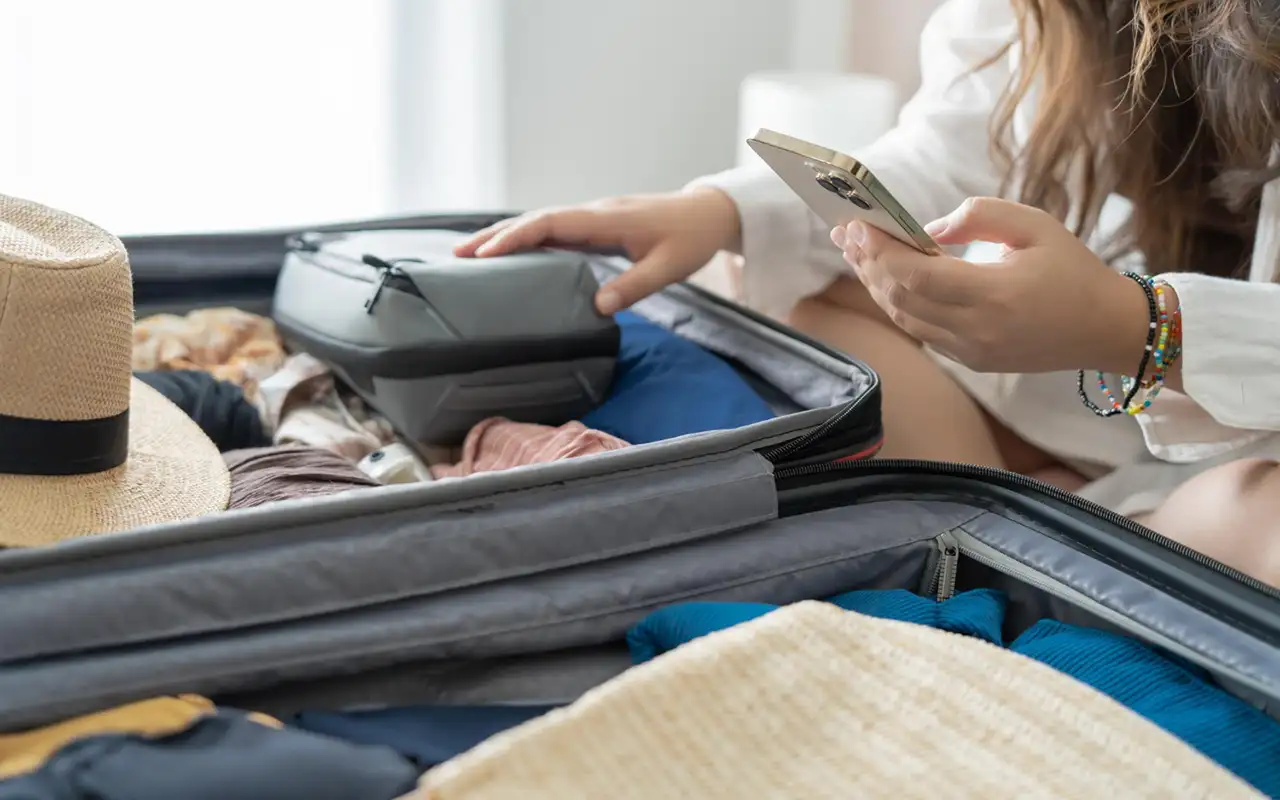

Bag Strategy: Less Is More in Sapa
The single biggest mistake travellers make when packing for Sapa is overpacking. You’ll be carrying your bag up steep, muddy trails, squeezing it into overnight train berths, and hauling it in and out of guesthouses that don’t have lifts. Weight is your enemy.
My rule after six visits: bring a 30–40L daypack or soft duffel as your main bag. If you’re flying into Hanoi with a large suitcase, leave it at your Hanoi hotel and travel to Sapa with a smaller bag. Almost every hotel in Hanoi’s Old Quarter will store luggage for free or a small fee.
If you haven’t sorted your Hanoi–Sapa journey yet, check the transport guide first — the overnight train has specific luggage constraints (soft bags over hard suitcases for berth storage), and knowing your transport option affects how you pack.
Pack your bag, then remove one third of what you packed. You’ll wear the same 2–3 trekking outfits the entire trip. Sapa has laundry services everywhere at $1–2 per kilo. You do not need 7 days of clothes for a 3-day trip.
Not sure how many days of gear you actually need? The 3-day Sapa itinerary breaks down the day-by-day bag strategy — including exactly what to pull out for the Day 2 overnight homestay and what to leave locked at your hotel.
Clothing & Layers
Sapa’s weather is the defining challenge of packing for this trip. The temperature can swing 15°C between morning and afternoon. You’ll start a trek sweating in a t-shirt and end it shivering in a down jacket. The solution is a proper layering system — not bulky individual items.

-
Moisture-wicking base layer t-shirts (×2) Merino wool or synthetic. NOT cotton — cotton stays wet and causes chills on mountain descents.Essential
-
Long-sleeve base layer (×1) For cold mornings, evening meals, and homestay nights. Merino is ideal — odour-resistant so one goes a long way.Essential
-
Fleece or mid-layer jacket This is the layer you’ll use most. A 200-weight fleece weighs almost nothing and compresses well.Essential
-
Waterproof outer shell / rain jacket Non-negotiable. Even in dry season, afternoons bring sudden showers at altitude. Get one with a hood.Essential
-
Trekking trousers (×2) Quick-dry fabric. Zip-off legs are useful if temps vary. Avoid jeans entirely — heavy when wet and take forever to dry.Essential
-
Thermal/down jacket For Oct–Mar visits. Lightweight packable down (<200g) packs to the size of a water bottle and is invaluable at night.Recommended
-
Warm hat & gloves Required Oct–Mar. Even on warm-season trips, summit mornings on Fansipan are cold enough to need both.Recommended
-
Underwear (×3–4, quick-dry) Merino or synthetic. Wash and dry overnight — eliminates the need to pack more.Essential
-
Trekking socks (×3 pairs) Wool or wool-blend. Wet cotton socks are the number one cause of blisters on Sapa trails. Invest properly here.Essential
-
Casual evening outfit (×1) Light trousers and a clean top for restaurants and homestay dinners. You’re not going clubbing.Optional
Cotton absorbs moisture and dries extremely slowly. Wearing a cotton t-shirt on a steep uphill section means you’ll be soaked in sweat that won’t evaporate — and on the descent, when temperatures drop and wind picks up, this leads to serious chills. Stick exclusively to merino wool or synthetic fabrics for anything worn next to your skin.
Footwear
Your feet will take a serious beating on Sapa’s trails. The paths range from smooth stone steps to steep, muddy slopes that can drop several hundred metres in under a kilometre. The right footwear isn’t a luxury — it’s a safety matter.

-
Trail running shoes or light hiking boots The most critical item in your bag. Needs a proper grip outsole (Vibram or equivalent). Waterproof is better but not mandatory in dry season. Must be already broken in — new boots on day one = day two agony.Essential
-
Gaiters (low) Keeps trail debris, mud, and small leeches out of your boot tops. Lightweight silicone or fabric pair weighs under 100g.Recommended
-
Flip-flops or sandals For homestay showers, guesthouse evenings, and giving your feet a break. A lightweight pair is worth every gram.Recommended
Sapa’s main street has several outdoor gear shops selling basic trekking poles, ponchos, and gaiters at reasonable prices. However, trail shoe quality at these shops is inconsistent — bring your footwear from home. Trekking poles, on the other hand, can be rented from most tour operators for $1–2/day.
Trekking Gear
-
Daypack (15–20L) Carry water, snacks, rain gear, and camera for day treks. Should have a rain cover or be water-resistant.Essential
-
Water bottle (1.5L+) or hydration bladder You need more water than you think at altitude. Refill at homestays and guesthouses along the route. Avoid single-use plastic.Essential
-
Trekking poles (×2) Game-changer on steep descents, especially when trails are muddy. Rent locally for $1–2/day or bring collapsible carbon poles from home.Recommended
-
Rain poncho or waterproof pack cover Even in dry season. Mountain weather changes in minutes. A poncho also covers your pack. Buy one for $2 in Sapa if needed.Essential
-
Leech socks / gaiters Mandatory June–September. Bright orange elastic socks worn over boots and trousers. Available in Sapa for under $3.Recommended
-
Headlamp with spare batteries Essential for homestay nights (power cuts are common) and early morning Fansipan summit starts. Most phone lights are not sufficient.Essential
-
Trail snacks Energy bars, trail mix, chocolate. Village stores exist but are sparse on long routes. Your guide will be grateful if you share.Recommended
-
Sun protection: hat, sunglasses, SPF 50+ UV is intense at altitude, especially above the cloud line. A wide-brim hat does double duty in rain too.Essential

Gear sorted — but which trek are you actually doing? The routes vary dramatically in difficulty and terrain, which changes what you need to bring. The trekking tours guide reviews every major route with honest difficulty ratings so you can match your gear list to your actual trek before you leave Hanoi.
Tech & Camera
-
Power bank (20,000mAh+) The single most important tech item. Homestays often have limited or no charging points. A large power bank keeps your phone, camera, and headlamp battery alive for 2–3 days off-grid.Essential
-
Universal travel adapter Vietnam uses Type A and Type C outlets. Most modern chargers work 100–240V but always verify.Essential
-
Camera with weatherproofing A mirrorless or DSLR will give stunning results, but a weatherproof body or rain sleeve is strongly recommended. Budget option: a zip-lock bag works surprisingly well.Recommended
-
Extra memory cards & batteries October light at harvest is extraordinary and you will shoot thousands of frames. Pack twice what you think you need.Recommended
-
Waterproof phone case or dry bag River crossings, heavy rain, and sweaty hands are all real risks on Sapa trails. A $5 dry bag provides genuine peace of mind.Recommended
-
Offline maps downloaded (Maps.me or Google) Mobile data is unreliable in many valleys and villages. Download Sapa offline maps before you leave Hanoi.Essential

Health & First Aid
-
Blister plasters (Compeed or equivalent) The most-used item in every trekker’s first aid kit. Apply at the first sign of hotspot, not after the blister forms.Essential
-
Ibuprofen / paracetamol For altitude headaches, sore muscles, and tired feet. Altitude in Sapa (1,500m) can cause mild headaches in some travellers on arrival.Essential
-
Antiseptic wipes & small wound dressings Trail scrapes happen. Clean wounds quickly in the field to avoid infection in a humid environment.Essential
-
Insect repellent (DEET 30%+) Mosquitoes at lower valley elevations, particularly June–September. Apply before entering forested sections.Essential
-
Motion sickness tablets The road from Lào Cai to Sapa has switchbacks that affect many travellers. Take 1–2 hours before bus departure.Recommended
-
Rehydration sachets (ORS) Altitude + heavy trekking = dehydration risk. One sachet in your water bottle after a hard day makes a genuine difference.Recommended
-
Antihistamine For insect reactions, allergic responses to vegetation, or dusty village environments.Optional
-
Water purification tablets Only if trekking independently and far from villages. Most guided treks provide safe drinking water at rest stops.Optional

Homestay Essentials
Staying in a traditional H’mong or Dao homestay is one of Sapa’s best experiences — but comfort levels vary enormously. Some homestays have hot showers and Western toilets; others have a cold-water basin and a squat toilet. Packing these items keeps you comfortable regardless.
-
Quick-dry travel towel Many homestays provide blankets but not towels. A microfibre travel towel dries in under an hour and rolls to the size of a water bottle.Essential
-
Earplugs Roosters start at 4am. Dogs bark all night. Village sounds are charming for the first 20 minutes and infuriating at 3am. Earplugs weigh nothing.Essential
-
Toiletries in small containers Shampoo, conditioner, body wash, toothbrush/toothpaste. Basic soap is usually provided but don’t count on it.Essential
-
Small gifts for the homestay family Pens, notebooks, or stickers for children (not sweets). This is a small gesture that means a great deal and creates genuine connection.Recommended
-
Sleeping bag liner Homestay bedding is typically a thick blanket that may feel heavy or have a strong odour. A silk liner adds a hygienic layer and warmth.Optional
-
Padlock for bag Not because homestays are unsafe — they generally aren’t — but for peace of mind when leaving valuables in a dormitory-style room.Optional
If you’re weighing up a hotel versus a homestay — or want to know which hotels work best as a trekking base with luggage storage — see the complete Sapa hotels guide for an honest breakdown of each accommodation type.
Seasonal Adjustments
The base list above applies year-round, but Sapa’s dramatically different seasons require specific additions depending on when you visit.
| Season | Extra Items to Add | Items You Can Drop |
|---|---|---|
| Sep–Nov Peak | Down jacket (Oct–Nov), warm hat & gloves, good camera, extra memory cards | Leech socks, heavy rain gear |
| Mar–May | Light rain jacket, sun protection, camera for blossom + mirror terraces | Heavy down jacket, thermal base layer |
| Jun–Aug | Leech socks (essential), full waterproofs, quick-dry everything, extra dry bags | Down jacket, warm hat, thermal layers |
| Dec–Feb | Thermal base layers (×2), heavy down jacket, gloves, warm hat, hand warmers | Leech socks, sun-only items |
Not sure which season you’re visiting in? The month-by-month Sapa weather guide covers exactly what conditions to expect every month — including temperature ranges, rainfall, and how each season affects trekking — so you can finalise this list before you pack.
Sapa’s main street (Cau May & Xuan Vien) has a cluster of outdoor gear shops selling ponchos, gaiters, leech socks, trekking poles, and warm hats at very reasonable prices. If you forgot something or underestimated the cold, you can almost always fix it in town before your trek starts.
What NOT to Bring to Sapa
Just as important as knowing what to pack is knowing what leaves you carrying dead weight. After six trips and countless conversations with travellers who over-packed, here’s the definitive list of things to leave at your Hanoi hotel.
- Jeans — Heavy when dry, miserable when wet. Take three times as long to dry as trekking trousers. Absolute dead weight on the trail.
- More than 1 pair of casual shoes — Your trekking shoes and flip-flops are all you need. Extra footwear is the fastest way to ruin your back.
- Laptop — Leave it at your Hanoi accommodation. WiFi in mountain villages is either non-existent or too slow to matter. You won’t need it.
- Full-size toiletries — Transfer everything into 50–100ml travel containers. Full-size bottles are unnecessarily heavy for a 3–5 day trip.
- Valuable jewellery — Trekking in the mud wearing your gold watch is both impractical and an invitation to heartbreak if something goes missing.
- More than 4 days of clothes — Laundry is available everywhere in Sapa for minimal cost ($1–2 per kilo). Pack 3 days of clothes and wash as needed.
- Thick bath towels — A quick-dry microfibre travel towel weighs under 100g and dries in an hour. A bath towel weighs 800g and takes two days to dry in mountain humidity.
- Umbrella — Useless on a steep, windy mountain trail. A rain jacket and pack cover do the job better in every condition you’ll actually encounter.
Frequently Asked Questions
How cold does it get in Sapa and how should I dress?
Temperatures range from 0°C (December–January nights) to 27°C (July days). The solution is always layering: moisture-wicking base layer, insulating mid-layer, waterproof shell. This system works for every season — you just adjust how many layers you actually wear at any given time.
Do I need special trekking boots or will trail runners work?
Trail runners with a grippy outsole (Salomon, Hoka, Brooks) work excellently on Sapa trails and are actually preferred by many experienced trekkers for their lighter weight. The critical factors are grip and fit — they must be broken in before your trip. Avoid brand-new footwear regardless of how good the spec looks on paper.
Should I bring trekking poles or rent them in Sapa?
Unless you already own good collapsible poles, rent in Sapa. Local operators offer basic aluminium poles for $1–2 per day and they’re perfectly adequate for standard routes. If you’re doing the Fansipan summit hike or multi-day village treks with heavy elevation changes, investing in your own carbon poles is worthwhile.
What should I wear to visit hill-tribe villages?
Dress respectfully but practically. Covered shoulders and knees aren’t a strict requirement in most Sapa villages, but modest, non-revealing clothing is appreciated. Avoid anything too tight or too short. Your standard trekking outfit — quick-dry trousers and a t-shirt — is completely appropriate.
Can I buy trekking gear in Sapa?
Yes — Sapa’s main street has several outdoor shops selling ponchos, gaiters, leech socks, warm hats, gloves, and basic trekking poles. Quality is variable (mix of genuine outdoor brands and tourist-grade items), but for forgotten essentials it’s perfectly adequate. Don’t rely on it for your primary footwear or technical layers.
For the full Sapa planning picture — transport, accommodation, trekking, food, and when to visit — start with the complete Sapa travel guide.


The 30–40L bag advice was spot on — I’d packed a 65L and was regretting it by the time I hit the first staircase in Sapa town. Also the merino wool tip saved me. Wore the same two shirts for 4 days and nobody noticed (I hope). The earplugs for the homestay roosters are genuinely essential — cannot stress that enough.
Going in October — do I really need a down jacket or will a fleece do the job? It’s still technically autumn, right?
Bring the down jacket, David — October nights in Sapa drop to 8–12°C and the damp mountain air makes it feel colder. Days are gorgeous and you’ll be in a t-shirt by midday, but evenings at restaurants and the homestay nights will have you reaching for every layer you packed. A fleece alone won’t cut it once the sun goes down. Get a packable 150–200g down jacket and you’ll barely notice you’re carrying it.