
The Hanoi to Sapa Journey: What to Expect
Sapa sits in the Lào Cai province of Northwest Vietnam, nestled at roughly 1,500 metres above sea level in the Hoàng Liên Sơn mountain range. From Hanoi, the crow-flies distance is only about 250 km — but dramatic mountain terrain means roads twist and climb considerably, and travel times depend heavily on which mode of transport you choose.
The good news? Getting to Sapa has never been easier. The Noi Bai–Lào Cai Expressway slashed road travel times from 8–9 hours down to around 5–6 hours for buses. The overnight train to Lào Cai remains a beloved option for travellers who want to arrive rested and skip a full day in transit.
In this guide I’ve covered all three realistic options in honest detail — trains, sleeper buses, and private cars — with current 2026 prices, real pros and cons, and step-by-step booking advice for each.
One thing to sort before booking transport: your travel dates. October train sleepers sell out weeks in advance; January buses are nearly empty. My month-by-month Sapa weather guide will help you understand the booking pressure you’re working with before committing to a ticket.
Quick Comparison: All Options
Not sure which option suits you? Use this table to compare at a glance, then scroll down for the full breakdown on each.
| Option | Cost per Person | Travel Time | Best For |
|---|---|---|---|
| Overnight Train Most Popular | $25 – $45 | ~8–9 hrs (overnight) | Solo travellers, couples |
| Sleeper Bus | $12 – $20 | ~5.5 – 6.5 hrs | Budget travellers |
| Limousine Bus Best Value | $18 – $28 | ~5.5 – 6 hrs | Comfort on a mid budget |
| Private Car / Van | $80 – $130 (whole car) | ~5 – 6 hrs | Families, groups of 3+ |
First-time visitors: take the overnight train one way — it’s a genuine travel experience and you wake up in Lào Cai ready to go. Return by limousine bus for speed without the premium car price.
Option 1: Overnight Train
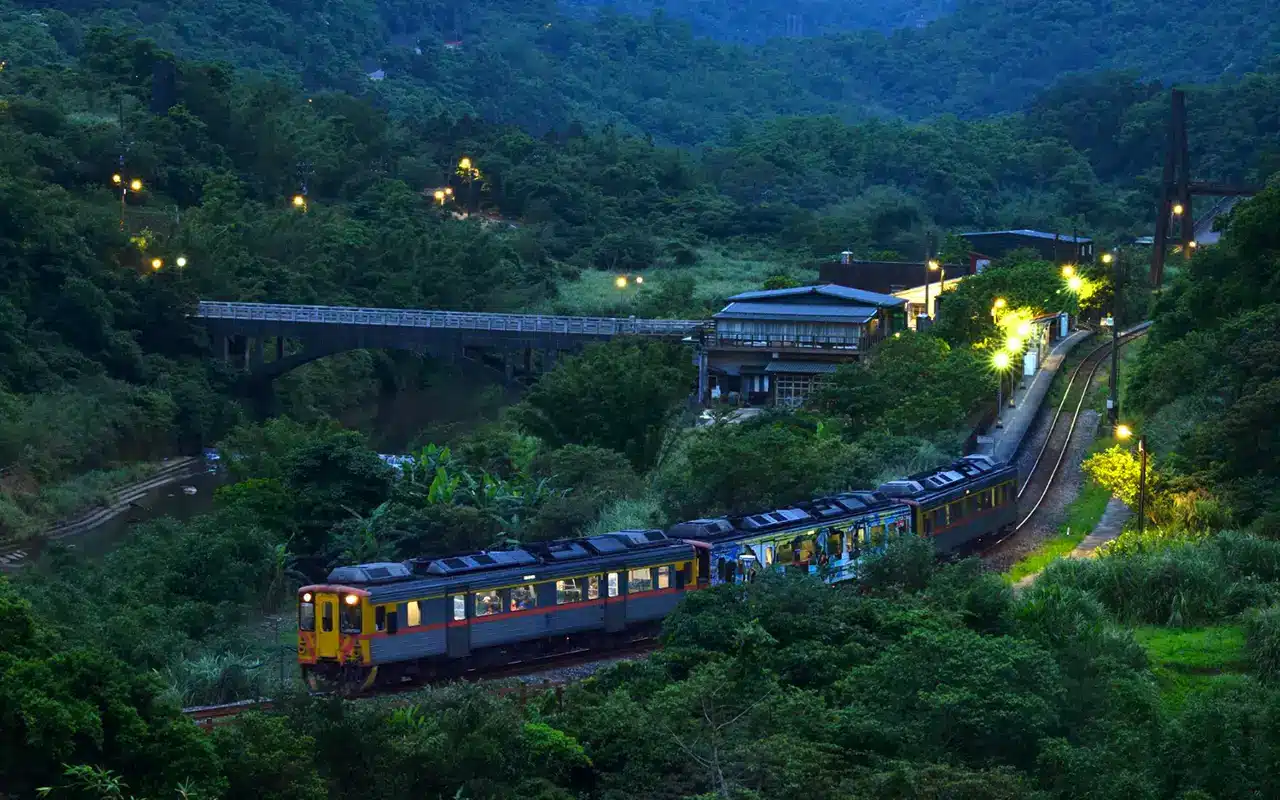
The overnight train from Hanoi to Lào Cai is one of Southeast Asia’s classic sleeper journeys. It departs Hanoi in the evening (typically between 9:30 pm and 10:00 pm), winds through the northern highlands, and arrives in Lào Cai at around 6:00–6:30 am — just in time for sunrise over the mountains. From Lào Cai, a 35-minute minibus or taxi ride brings you up to Sapa town.
Several train companies run carriages on this route. The most reliable traveller-friendly options are Livitrans Express and Victoria Express, both offering comfortable soft-sleeper cabins with 4 berths. Budget-conscious travellers can also book through Vietnam Railways (VR) at a lower price point.
Train Cabin Types — 2026 Prices
| Cabin Type | Berths | Price (USD) | Notes |
|---|---|---|---|
| VR Hard Seat | Open car | ~$10–12 | Not recommended for overnight |
| VR Soft Sleeper | 6-berth cabin | ~$22–30 | Clean, basic, fine for budget |
| Livitrans Soft Sleeper Best Value | 4-berth cabin | ~$30–38 | AC, linens included — best balance |
| Victoria / Fansipan Express | 2-berth cabin | ~$38–45 | Most comfortable, private feel |
- Saves a full daytime travel day
- Scenic mountain views at dawn
- Genuinely memorable experience
- No motion sickness (smoother than road)
- Good value with a private cabin
- Train stops at Lào Cai, not Sapa
- Need onward transfer (+35 min, ~$3–5)
- Books up fast in high season
- Bunk beds not ideal for light sleepers

How to Book the Train
-
Book online 2–4 weeks ahead
The most reliable booking platforms for foreigners are baolau.com or 12go.asia. Both show real-time availability across all train companies and accept international cards.
-
Choose your train company and cabin
For first-timers, Livitrans (4-berth soft sleeper) is the best balance of comfort and price. Avoid hard seats unless you’re on a very tight budget.
-
Pick up your ticket at Hanoi Station
Arrive at Ga Hà Nội (120 Lê Duẩn, Hoàn Kiếm) at least 30 minutes before departure. Present your booking reference — the station has clear English signage.
-
Arrange your Lào Cai → Sapa transfer
On arrival, walk out of the station and you’ll immediately find minibuses (50,000–70,000 VND, ~$2–3) and taxis (250,000–350,000 VND, ~$10–14) heading up to Sapa. Your hotel may also arrange a pickup.
If you’re arriving on the 6 am train, Day 1 of your trip starts before most hotels open. My 3-day Sapa itinerary has an early-arrival strategy built in — including what to do in the hours before check-in and how to make the most of that first morning.
Option 2: Sleeper Bus & Limousine Bus
Thanks to the Noi Bai–Lào Cai Expressway, buses from Hanoi now reach Sapa in roughly 5.5–6.5 hours — a remarkable improvement over the old winding route that used to take 8+ hours. Buses drive all the way into Sapa town centre (unlike the train, which stops in Lào Cai), making this the more convenient door-to-door option.
There are two broad categories: the standard sleeper bus (budget, reclining bunk seats) and the limousine/VIP bus (individual reclining seats, more legroom, refreshments). For most travellers, the limousine bus is absolutely worth the extra $6–8.
Top Bus Operators — 2026
| Operator | Type | Price | Key Departures |
|---|---|---|---|
| Sapa Express Recommended | Limousine | $22–28 | 6 am, 7 am, 2 pm, 8 pm |
| Queen Cafe | Sleeper / Limo | $14–22 | Multiple daily |
| Hung Thanh | Sleeper | $12–16 | Multiple daily |
| The Sinh Tourist | Sleeper | $13–18 | 8 am, 8 pm |
- Drops you directly in Sapa town
- No onward transfer needed
- Cheapest option overall
- Multiple departures daily
- Expressway = faster than ever
- Winding mountain roads (motion sickness risk)
- Less comfortable than sleeper train cabin
- Standard sleeper berths are narrow
- Can be noisy (music, phone calls)

The final 30 km from Lào Cai up to Sapa involves a series of switchbacks on a mountain road. If you’re prone to motion sickness, take medication (Dramamine or Bonine) 1–2 hours before departure, sit near the front, and avoid a heavy meal before boarding.
Option 3: Private Car or Minivan
Hiring a private car or minivan is the premium option — and it genuinely earns its price if you’re travelling as a group of three or more. A driver picks you up from your hotel in Hanoi’s Old Quarter, loads your bags, and delivers you directly to your accommodation in Sapa. No stations, no transfers, no waiting. You also get flexibility to stop for photos or breaks along the way.
Typical vehicles are Toyota Fortuners (4–5 passengers), Ford Transits (9 passengers), or Dcar Limousine vans (9 passengers with individual seats). Always confirm the vehicle type when booking — some budget operators send undersized cars that struggle on mountain roads.
Some operators bundle transport from Hanoi with a guided trek package. See the trekking tours guide for operators who include Hanoi pickup.
Private Car Pricing — 2026
| Vehicle | Capacity | Total Price | Per Person (4 pax) |
|---|---|---|---|
| 4-seat car | 1–3 passengers | $80–95 | $27–32 |
| 7-seat SUV | 4–6 passengers | $100–120 | $17–25 |
| 9-seat minivan | 6–8 passengers | $110–130 | $14–18 |
| Dcar Limousine Premium | 9 seats | $160–200 | $18–22 |
- Hotel-to-hotel, zero transfers
- Stop wherever you like for photos
- Great value for groups of 4+
- Flexible departure time
- A/C and ample luggage space
- Expensive for solo travellers
- Driver quality varies widely
- Traffic leaving Hanoi adds time
- Less scenic than the overnight train

When & How to Book
The most important variable in getting to Sapa isn’t which transport you choose — it’s when you book. Sapa is one of Vietnam’s most visited destinations, and the peak season (September to November and around Tết) sees fierce competition for train berths and comfortable bus seats.
Booking Windows by Season
| Season | Months | Book Train | Book Bus |
|---|---|---|---|
| Peak — Rice harvest & Tết | Sep–Nov, Jan–Feb | 4–6 weeks ahead | 1–2 weeks ahead |
| Shoulder — Spring bloom | Mar–May | 2–3 weeks ahead | 3–5 days ahead |
| Low — Summer heat & rain | Jun–Aug | 1–2 weeks ahead | 1–2 days ahead |
Best Platforms to Book
- Baolau.com — Best for trains; covers all operators, English interface, solid customer support for foreign travellers.
- 12go.asia — Great for both trains and buses; wide selection and transparent pricing.
- Klook / Viator — Best for private car bookings that include guides or tour elements.
Don’t book train tickets through random travel agents in Hanoi’s Old Quarter — you’ll pay a 30–50% markup for no extra service. Equally, avoid “too cheap” private car offers on Facebook: unlicensed operators often use poorly maintained vehicles on mountain roads, which is a genuine safety risk.
The overnight train is also a good opportunity to mentally go through your packing. If you haven’t sorted your kit yet, the complete Sapa packing list covers everything from layering systems and trekking footwear to leech socks and what to leave behind in Hanoi.
Arriving in Sapa: What Happens Next
By train: You arrive at Lào Cai Railway Station, not Sapa. Walk out and you’ll immediately see minibuses (50,000–70,000 VND per person, ~$2–3) and taxis (250,000–350,000 VND whole car, ~$10–14) heading up to Sapa. The ride takes 35–45 minutes. Pre-booking a hotel pickup (usually $5–8 extra) is the most hassle-free option.
By bus: Most operators drop passengers at Sapa bus station or directly at the main square in town. Your hotel is usually within a 5–15 minute walk or a short $2 taxi ride.
By private car: Your driver will have your hotel address and will deliver you directly to the door.
Where you stay in Sapa affects your transport logistics — central hotels are a short walk from the bus drop point, while valley lodges need a taxi transfer. See the complete Sapa hotels guide to choose a property that fits your arrival method and trip plans.
Frequently Asked Questions
Is it safe to travel from Hanoi to Sapa?
Yes — the Hanoi–Sapa route is one of the most well-travelled routes in Vietnam and is very safe by regional standards. The new expressway has significantly reduced road accident rates. Stick to reputable train companies and established bus operators and you’ll have no issues.
How far in advance should I book?
For the train during peak season (September–November and around Tết), book 4–6 weeks ahead. For buses, 1–2 weeks is usually sufficient. Private cars can often be arranged 2–3 days out, though popular weekends may require earlier booking.
Which option is best for families with young children?
A private car or minivan is by far the best choice for families. You control the schedule, can stop for breaks, and don’t have to navigate busy stations with children and luggage. The cost per person becomes very reasonable once split four or five ways.
What if I get motion sickness on mountain roads?
The train is the best option — significantly smoother than any road journey. If you must take the bus, take motion sickness medication 1–2 hours before departure, sit near the front, and keep a window cracked for fresh air during the mountain switchback section.
Can I fly from Hanoi to Sapa?
There’s no airport in Sapa, and Lào Cai’s small airport serves only very limited domestic routes. Flying is not a practical option — stick to train, bus, or car.
What’s the best time of day to travel?
The overnight train (departs ~9:30 pm, arrives Lào Cai ~6 am) is popular for saving daytime hours. For buses, morning departures (6–8 am) mean you arrive early afternoon with the full day ahead. Avoid evening bus departures if possible — tired drivers on mountain switchbacks at night is an unnecessary risk.
For the full Sapa planning picture — when to visit, where to stay, what to do — start with the complete Sapa travel guide before booking your transport.


Took the Livitrans overnight train last month based on this guide and it was perfect. Booked a 4-berth cabin for me and my partner (we had it to ourselves!) and woke up just as the sun was rising over the mountains near Lào Cai. Absolutely magical. The minibus transfer to Sapa was easy — just follow the crowd out of the station.
Travelling with a family of 5 including 2 kids (ages 4 and 7). Private minivan sounds right based on what you’ve written but we’re debating whether the overnight train experience would be worth it for the kids. Any thoughts?
With two young kids, I’d go private minivan without hesitation. Kids at those ages are unpredictable sleepers, and the bunk bed setup on the train can be tricky (especially getting a 4-year-old settled at 10 pm with strangers in the cabin). The minivan gives you full control — stop when needed, bring snacks and entertainment, and arrive directly at your hotel. If you want the train experience for yourself, consider it on the return leg when the kids are tired enough to sleep anywhere. Either way, September’s a beautiful time — book the van soon.